
What readers ask first
How many soldiers were injured?
Three South Korean soldiers were injured on September 21. Two suffered serious injuries.
What did the investigations find?
The U.N. Command announced an armistice violation concerning a recovered North Korean mine. South Korea separately attributed the explosions to North Korean mines. Pyongyang denies responsibility.
Three South Korean soldiers were injured in two mine explosions in the western Demilitarized Zone on September 21. Two suffered serious injuries. South Korea says North Korean mines were deliberately planted south of the military boundary. Pyongyang denies responsibility.
DMZ War readers will remember the August 2015 mine attack that maimed two South Korean soldiers. Our earlier coverage described mines planted near a fence gate used by South Korean troops. The latest incident again raises questions about infiltration, patrol safety and the danger of escalation.
What the U.N. Command found
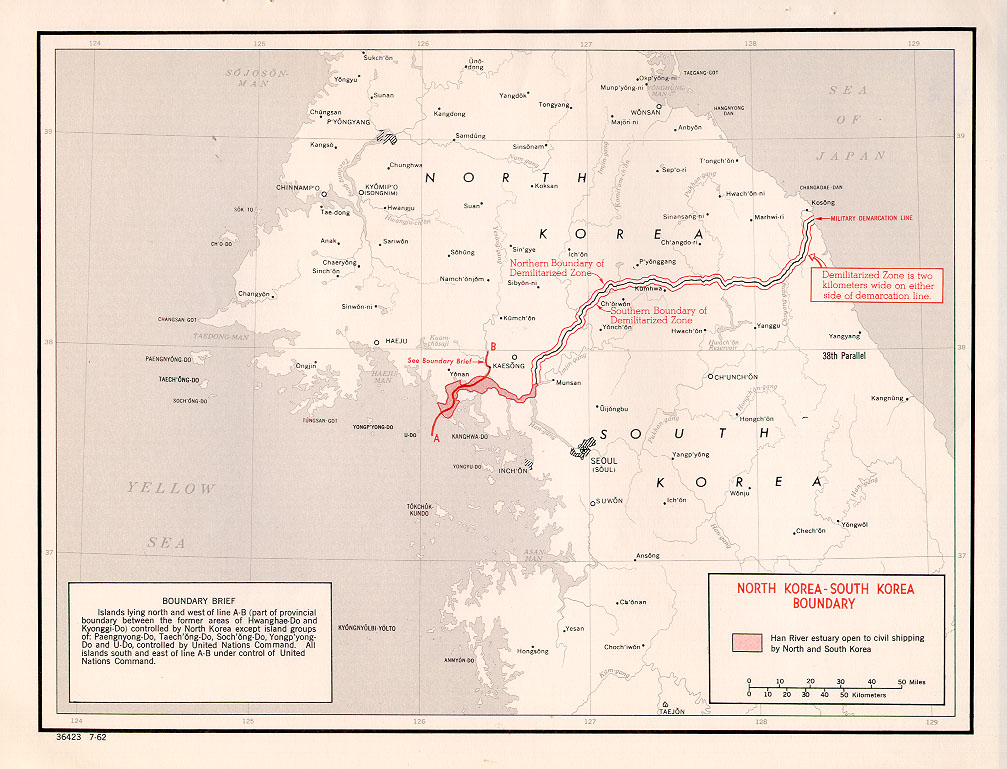
On September 30, the U.S.-led United Nations Command said a joint investigation team had identified an active North Korean mine on the South Korean side of the Military Demarcation Line—the boundary established by the 1953 armistice. It determined that an armistice violation had occurred and said it was addressing the violation through established procedures, Yonhap reported.
That announcement concerned the recovered mine and the armistice violation. It did not, by itself, establish what caused the two explosions that wounded the soldiers.
What South Korea concluded
On October 5, South Korea’s military announced its final assessment that North Korean mines caused the blasts. Officials cited explosive residue, resin fragments and burial beneath the surface. They placed the explosion sites about 10 meters south of the boundary, according to Yonhap.
Seoul also said it had cleared the identified minefield and would continue removal operations if North Korea did not remove its mines.
The dispute reaches the United Nations
South Korea took the case to the U.N. General Assembly’s disarmament committee on October 8. Ambassador Cha Ji-hoon demanded an apology and responsible measures from North Korea, according to Seoul Economic Daily. He also urged dialogue to prevent further escalation.
The newspaper quoted Cha attributing the blast to a deliberately buried North Korean mine, citing a joint investigation. That is Seoul’s account of the findings; the earlier U.N. Command announcement should still be read on its own terms.
Clearing mines could bring another confrontation
Deteriorating boundary markers and different mapping references complicate the line’s precise location, VOA reports. North Korea has warned of a forceful response if South Korean troops enter territory it considers its own.
For soldiers working near the line, the danger extends beyond the mines themselves. An operation intended to make a patrol route safer could bring troops into another confrontation. Further clearance operations—and the two sides’ response—will bear watching.
Read the record
- U.N. Command finding on a recovered mineYonhap — September 30, 2026
- South Korea's final mine investigation assessmentYonhap — October 5, 2026
- Why a mine blast fuels tensions between the KoreasVOA — October 7, 2026
- Koreas clash at U.N. over DMZ mine blastSeoul Economic Daily — October 10, 2026; reported October 8 exchange