
What readers ask first
What does the Wall Street Journal report?
The article examines the paring back of U.S.-South Korean military drills after a Trump decree, and the exercises’ relationship to Kim Jong Un’s objections. A Wall Street Journal subscription or paywall may apply.
Why do joint exercises matter on the peninsula?
Exercises train allied forces, demonstrate readiness, and send signals that are closely watched in Pyongyang, Seoul, and Washington.
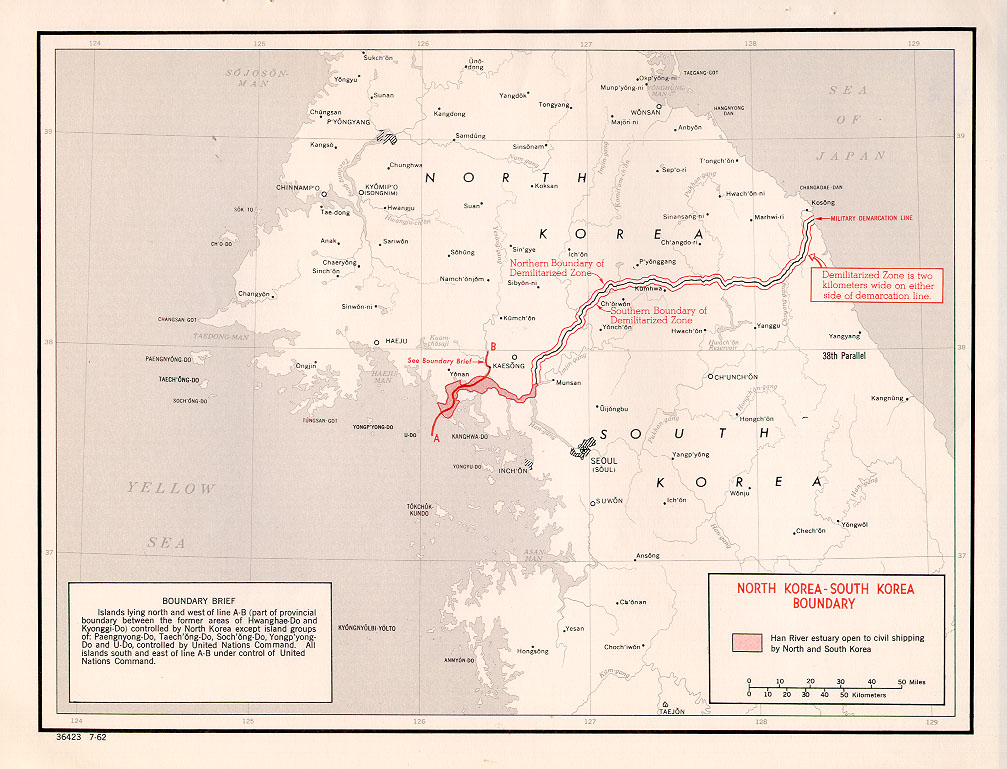
For those of us who have watched the DMZ for years, joint exercises are never just routine training. They are messages—read closely in Pyongyang, Seoul, and Washington—and history has shown how quickly that signaling can affect the peninsula.
The Wall Street Journal reports that, after a Trump decree, the United States and South Korea are paring back drills that had angered Kim Jong Un. It is a timely look at the strategic pressure behind a familiar issue on this site.
Read the Wall Street Journal article: “After Trump Decree, U.S., South Korea Pare Back Drills That Angered Kim Jong Un”. A Wall Street Journal subscription or paywall may apply.
Read the record
- After Trump Decree, U.S., South Korea Pare Back Drills That Angered Kim Jong UnThe Wall Street Journal — Subscription or paywall may apply.